
Chapter 13 speaks about violence. I would like to focus on sexual assault/harassment etc, because it is more often than not occurring on college campuses. It also seems that many people don’t fully understand what is considered consent and what does not count as consent. Sexual assault is defined as simply any sexual intimacy with someone without their consent. This can include something simple as a touch to penetration. There is a aggravated rape and simple rape. Aggravated rape is violently raping an individual whereas simple rape is rape without physical violence. Pearson also explains that ⅕ women will experience sexual assault and 1/58 men will experience sexual assault (Pearson 2019). Most perpetrators are known to the individual who has been raped. At college people have parties where there are drinking and drugs involved. This impairs the judgement and sober thinking of an individual. No matter if the perpetrator or the victim is impaired/intoxicated, consent cannot be given. Even if the person seems like they are able to make decisions, since they are intoxicated, legally consent cannot be given. Most people do not understand this. This can happen between two individuals who are strangers, friends, in a relationship or marriage. Victims often do not speak out from fear of embarrassment, privacy issues and not wanting to get the perpetrator in trouble. Sexual harassment has specific criteria, however any sort of unwanted or unwelcome sexual advances to another individual is considered sexual harassment. To avoid unwanted harassment and violence there are precautions than can be taken. Don’t post anything online that you wouldn’t want a stranger to see. Examples being your phone number or address. Recently, a lot of my friends who are girls have used their middle name as their last name to protect them from strangers. When an attacker comes at you, it is best to be loud and assertive. Keeping eye contact and being confident can sometimes deter an attacker. I heard a funny story a while ago where one of my sister’s friends who was a theater major was stopped by a robber. He began shouting at the robber with shakespeare lines and the robber actually backed off and walked away. I guess if you pretend be insane and assertive, it may actually work! Something unfortunate that this chapter talks about is keeping evidence. When sexual assault occurs, the victim may want to clean up or just sterilize themself because they feel violated and gross. However that can impede evidence of an investigation and stop a criminal from going behind bars. This is super important for everyone to understand even though it is devastating.
Chapter 14 talks about environmental pollution. The book talks about air quality index. It measure on a scale of 0-500, higher side being more polluted. Above 100 is observed as unhealthy to be in. This is how air pollution is measured, although it is not specified how this measurement is performed. The chapter also talks about UV light that says it actually causes damage to the immune system and DNA. I was only aware of a possibility of skin cancer. Secondhand smoke in an indoor area, according to Pearson, is 4,000 times more polluted than normal air (Pearson 2019). This is why indoor smoking has been banned in the United States in most places. The greenhouse effect is greenhouse gasses making a layer around the atmosphere. This layer allows heat to come in, but traps it, making the planet hotter. A climate change factor is the cutting down of trees. Trees take in CO2, but when they are cut down, they release this O2. There are also other factors such as the fossil fuel that we are burning at high rates. The United States tap water was tested in 2014 and according to Pearson they found a plethora of pharmaceutical and OTC drugs traces in the water. That is kind of disturbing.
Chapter 15 is pretty straightforward, yet a lot of people don’t properly understand. There’s a time to go to the doctor and there’s a time to stay home and rest. Reasons to see a doctor would be a high temperature of 102 or a temperature above 99 for a long period of time. Obviously bleeding, nerve pain, chest pain and others are also good reasons to go. Basically anything out of the complete ordinary, you should be going. If you’re coughing and have a small fever for a couple days, it’s really not necessary to see a doctor. It’s a waste of your money and the doctor’s time. If you’re sick and your symptoms because worse after 3 days, that’s also an indicator you should see a doctor. Often it’s nearly impossible to get an appointment with your primary care doctor. To keep your own costs low, go to an urgent care clinic, not the emergency room. Unless obviously, there is a reason to go to the emergency room. You always have the right to say no, what exactly the treatment and diagnosis is and whether a drug is experimental or not. If you’re over 18, no one can access your medical records other than the medical professionals who are currently taking care of you. If they want to give it to a medical professional who is not currently treating you, you must give written permission. Pearson explains that in ¾ doctor visits, prescription is given (Pearson 2019). In my opinion this is very sketchy. Obviously some issues require medicine. However a lot of problems can be fixed simply by doing certain things, and they don’t require medicine. The problem with taking prescriptions, especially for a long period of time, is your body becomes dependent on it. For example, some who has anxiety takes anti-anxiety medicine. After 5 or 6 years, this person tries to cycle off the medicine and experiences extreme mood swings and inability to handle situations. They end up with worse anxiety because now what made there anxiety go away is no longer there, and they have no way of coping with how to deal with it because the medicine they took is no longer controlling the chemicals in the brain. This isn’t always the case, but it is something to watch out for. In my own experience, I had dealt with headaches for a couple months, and the neurologist told me she could put me on anti-depression medication which would actually relieve the headaches. However anti-depression medication would cause a serious chemical change in my brain and it would be hard to cycle off this medicine, so I declined the offer. Dietary supplements are not regulated by the FDA. Know what every dietary supplement can do, but also know its side effects.
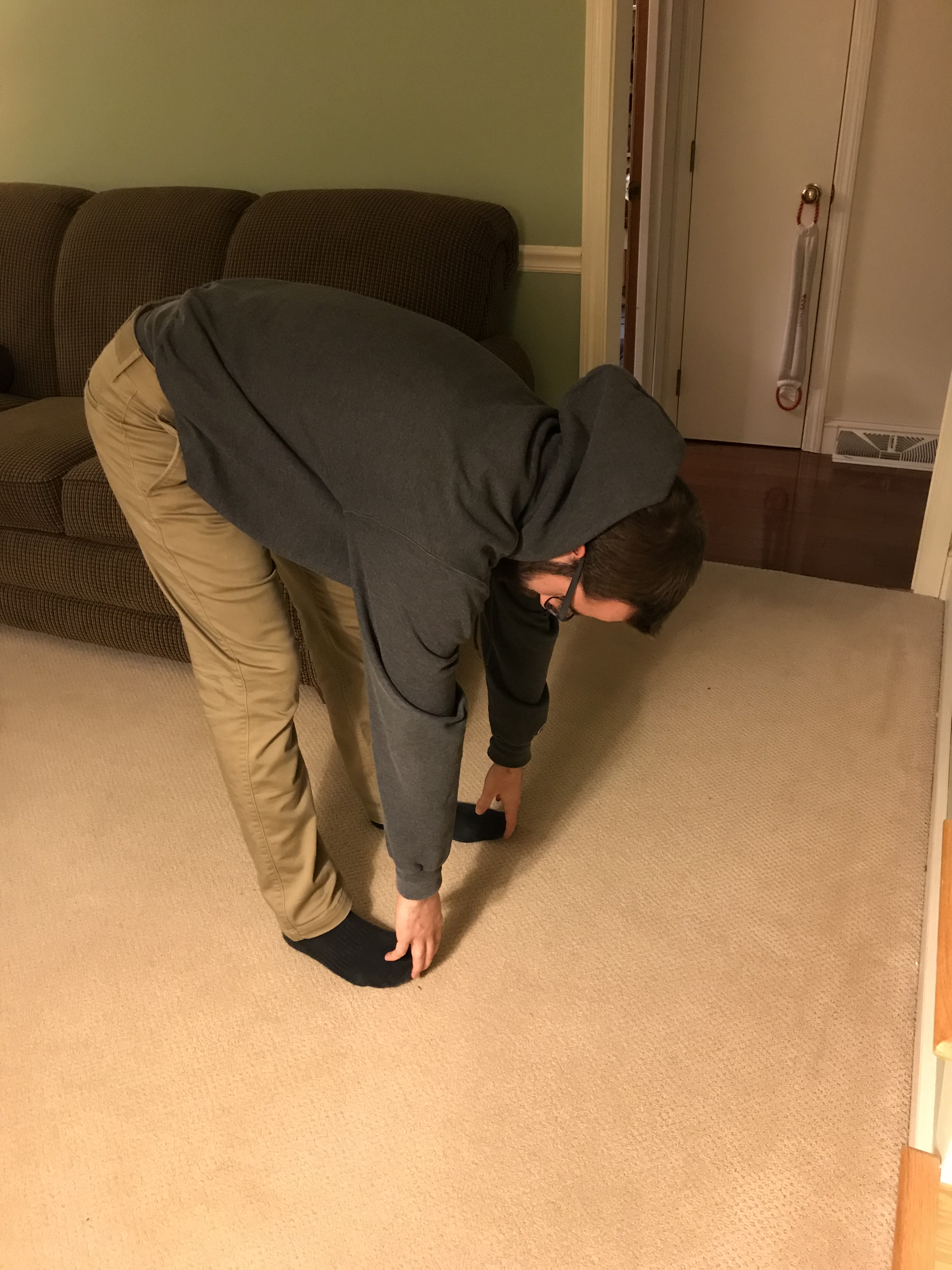
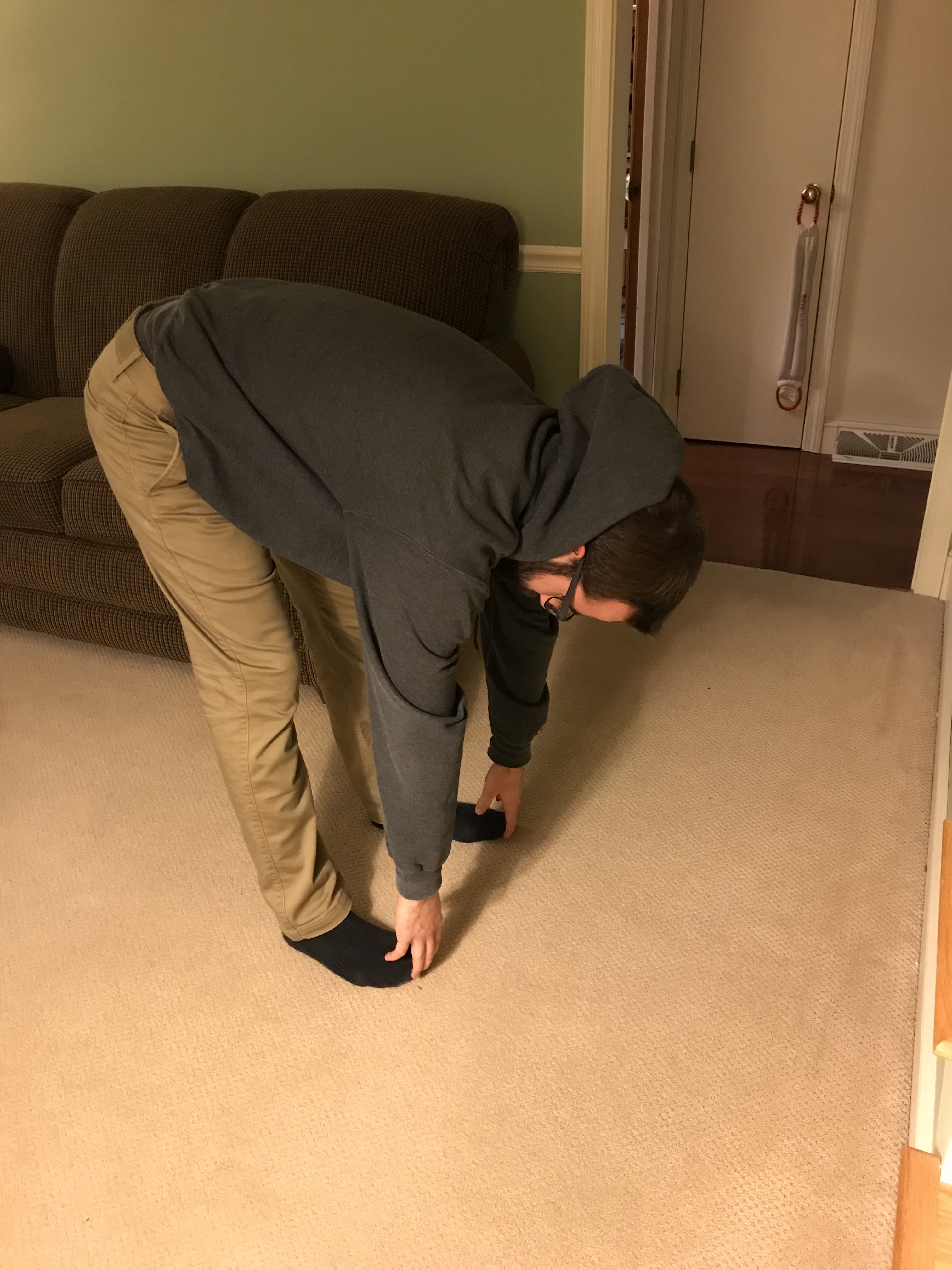
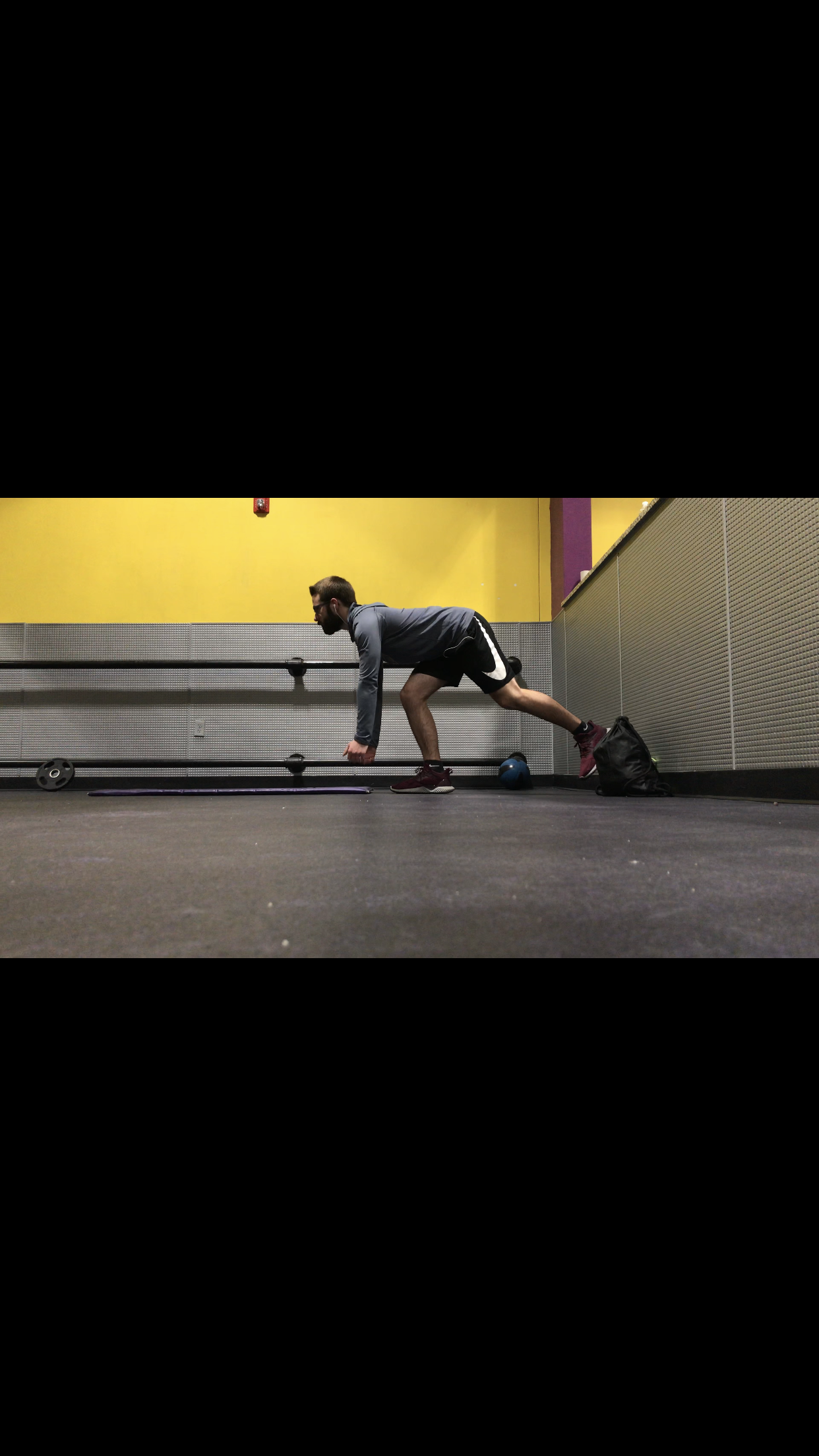
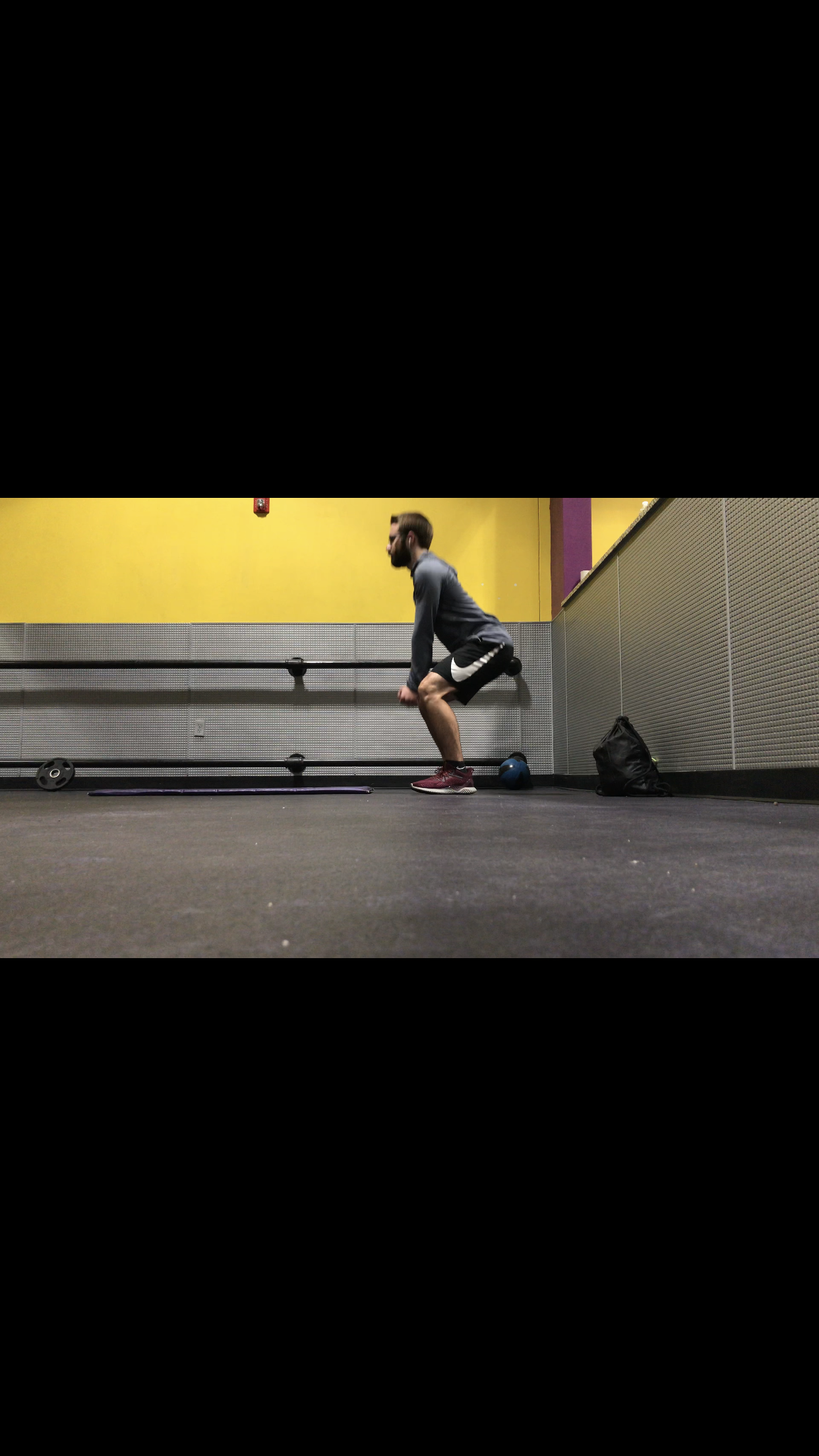
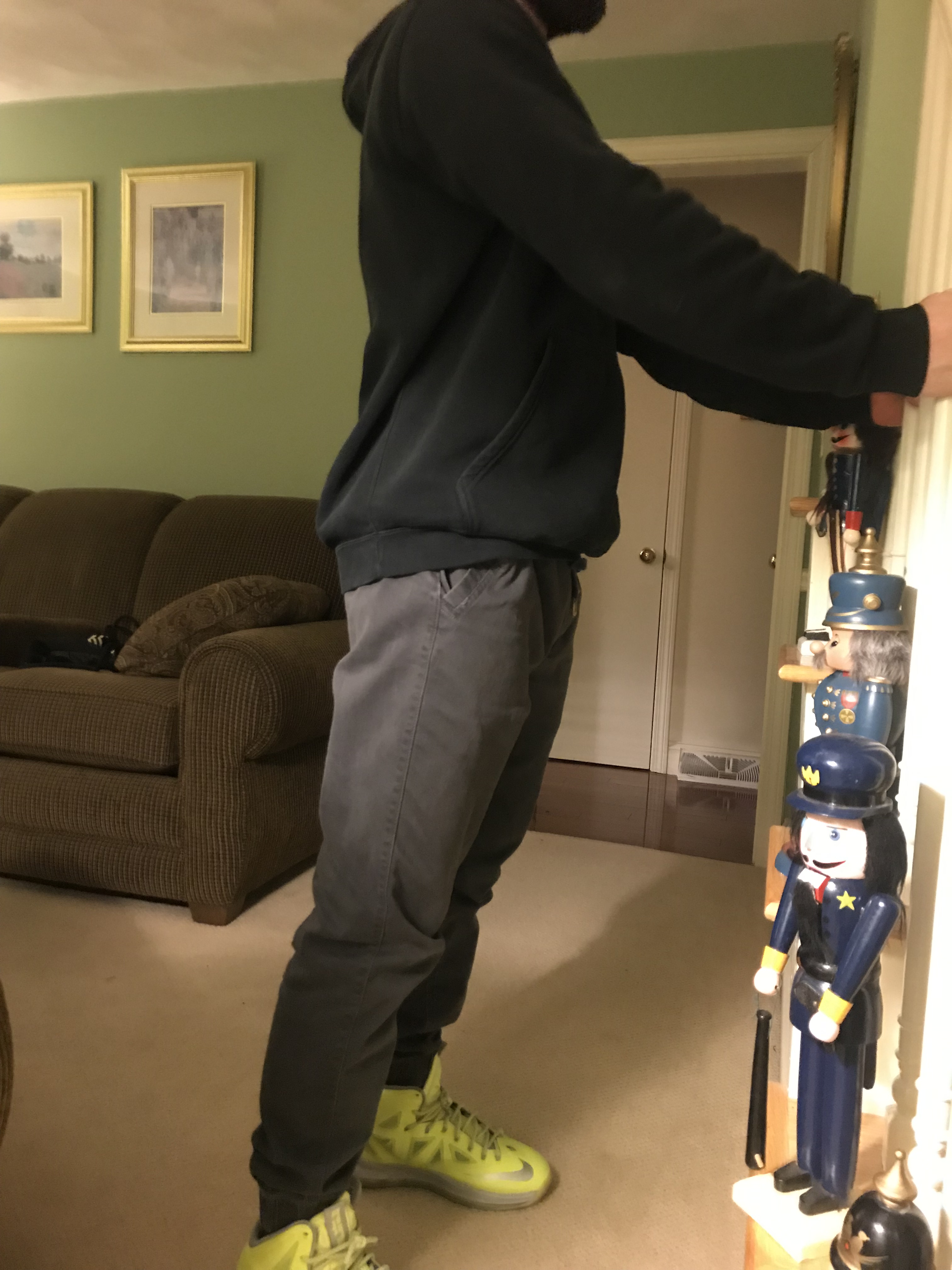
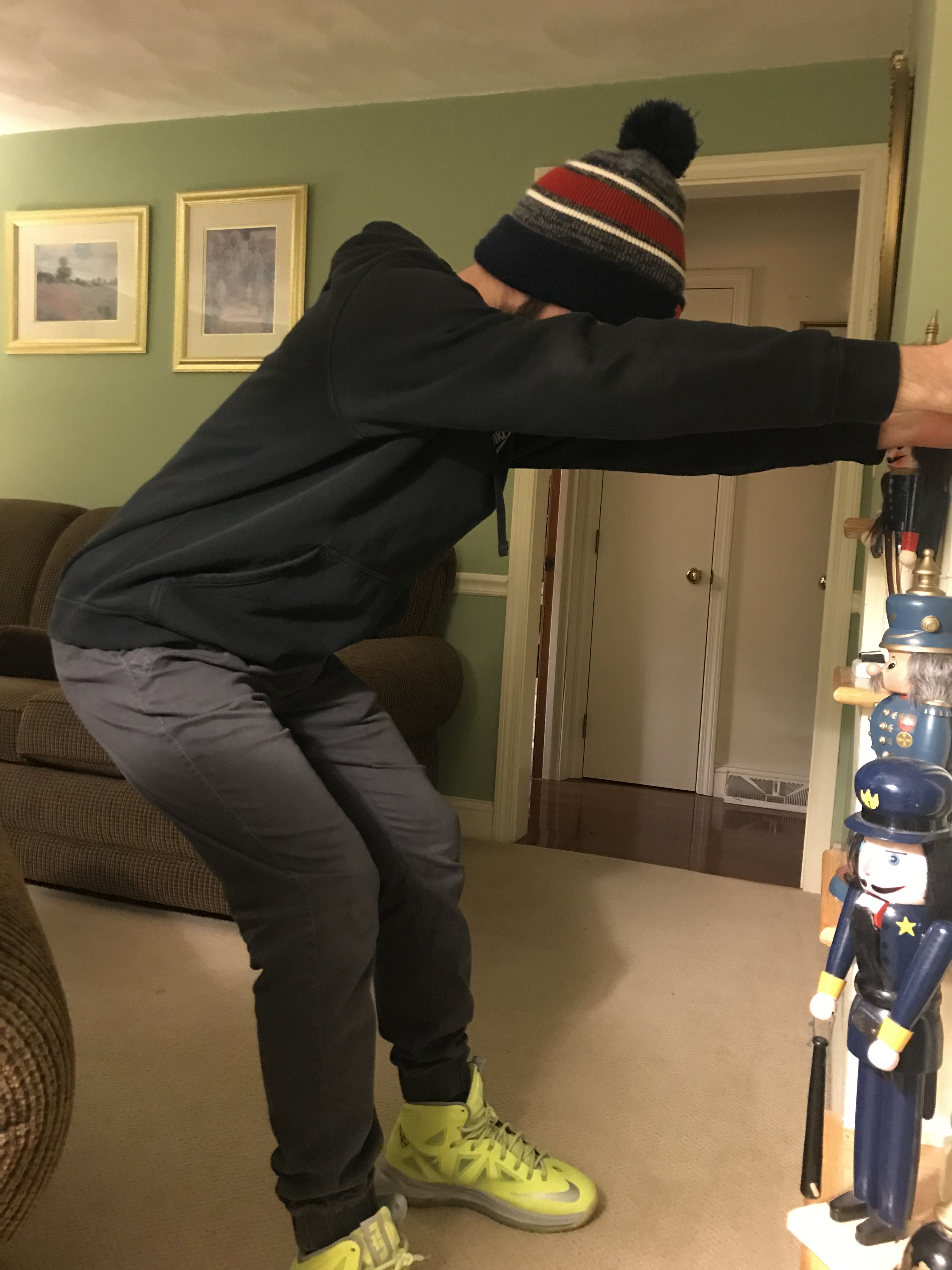
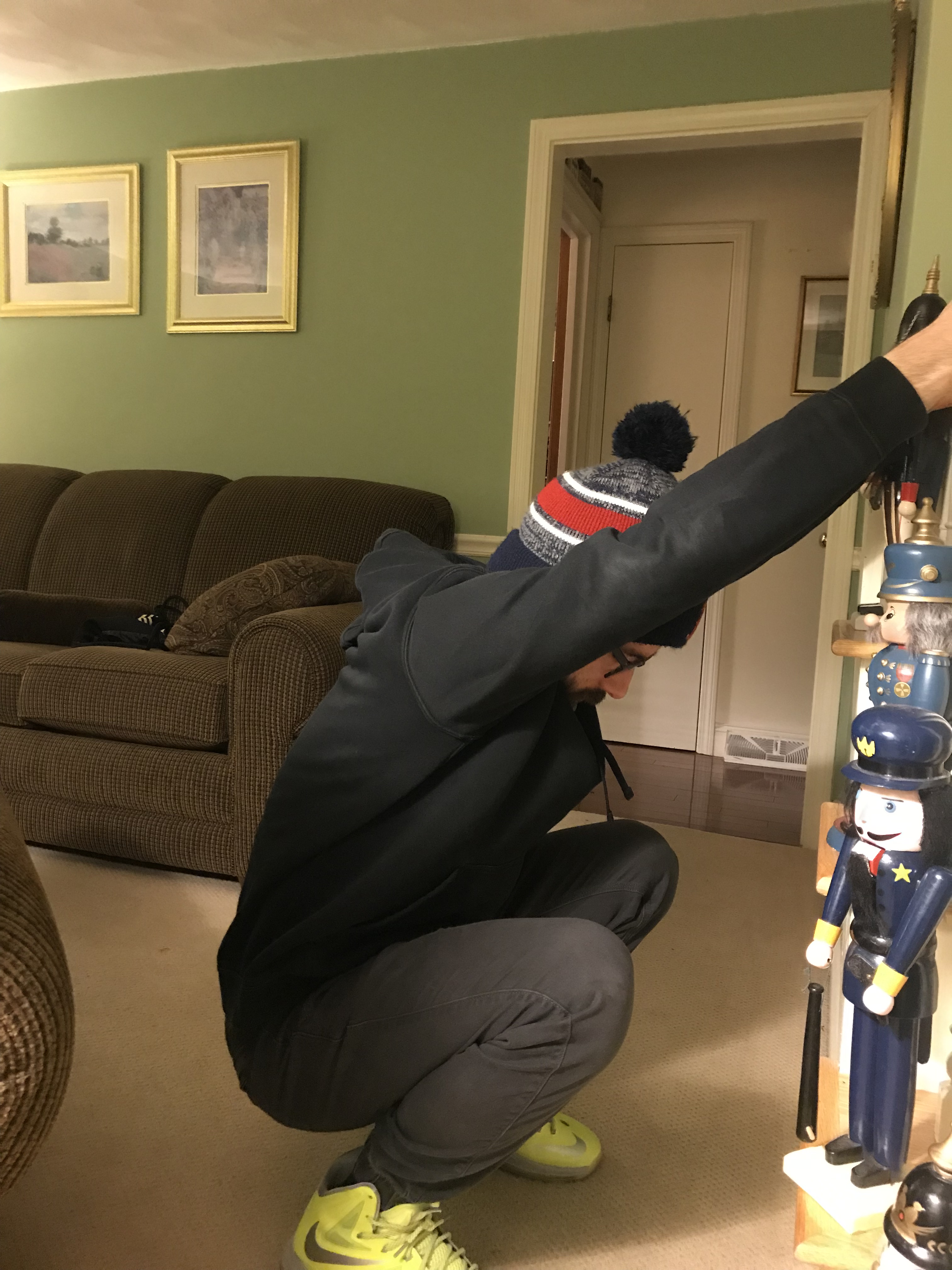
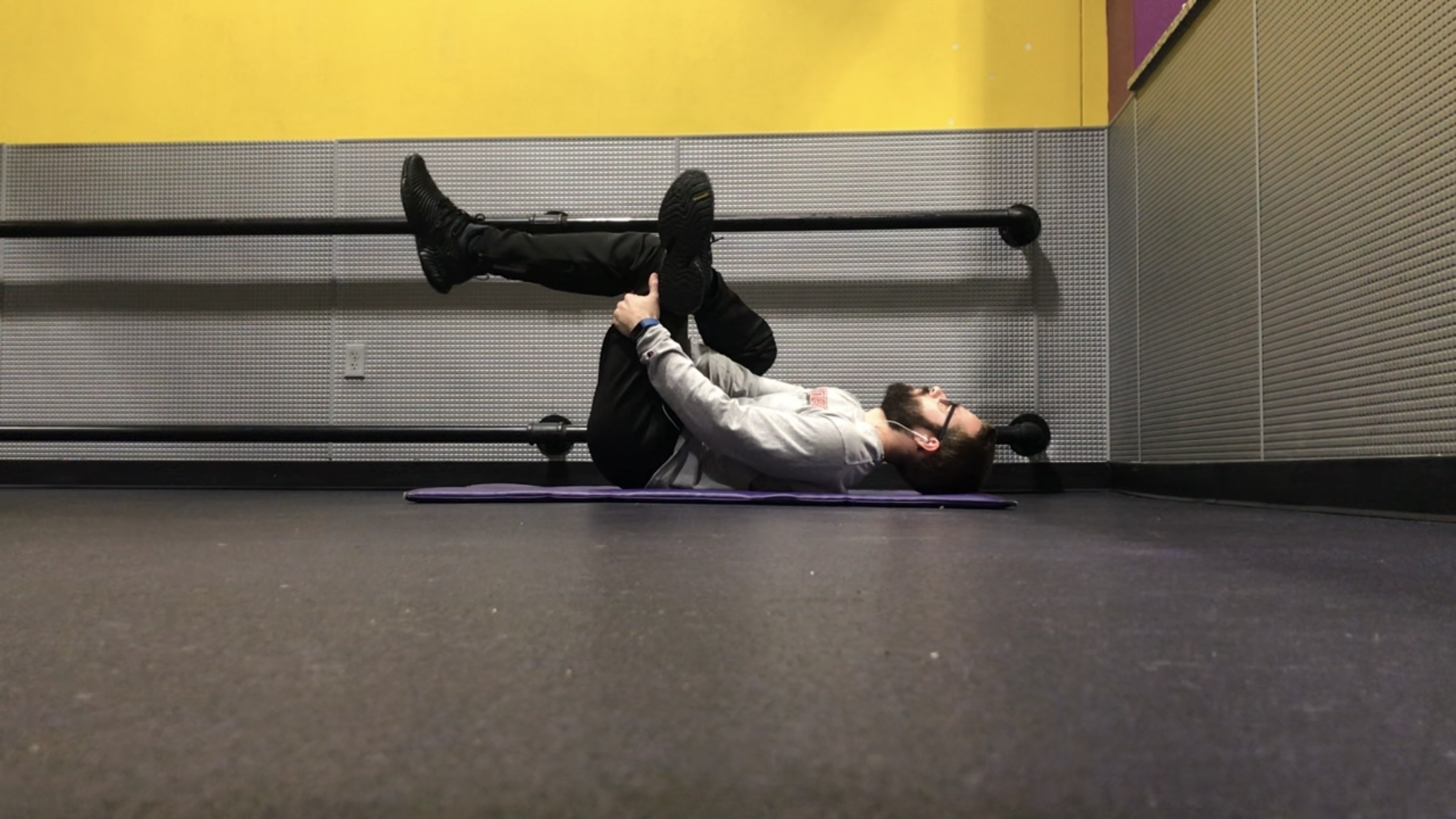
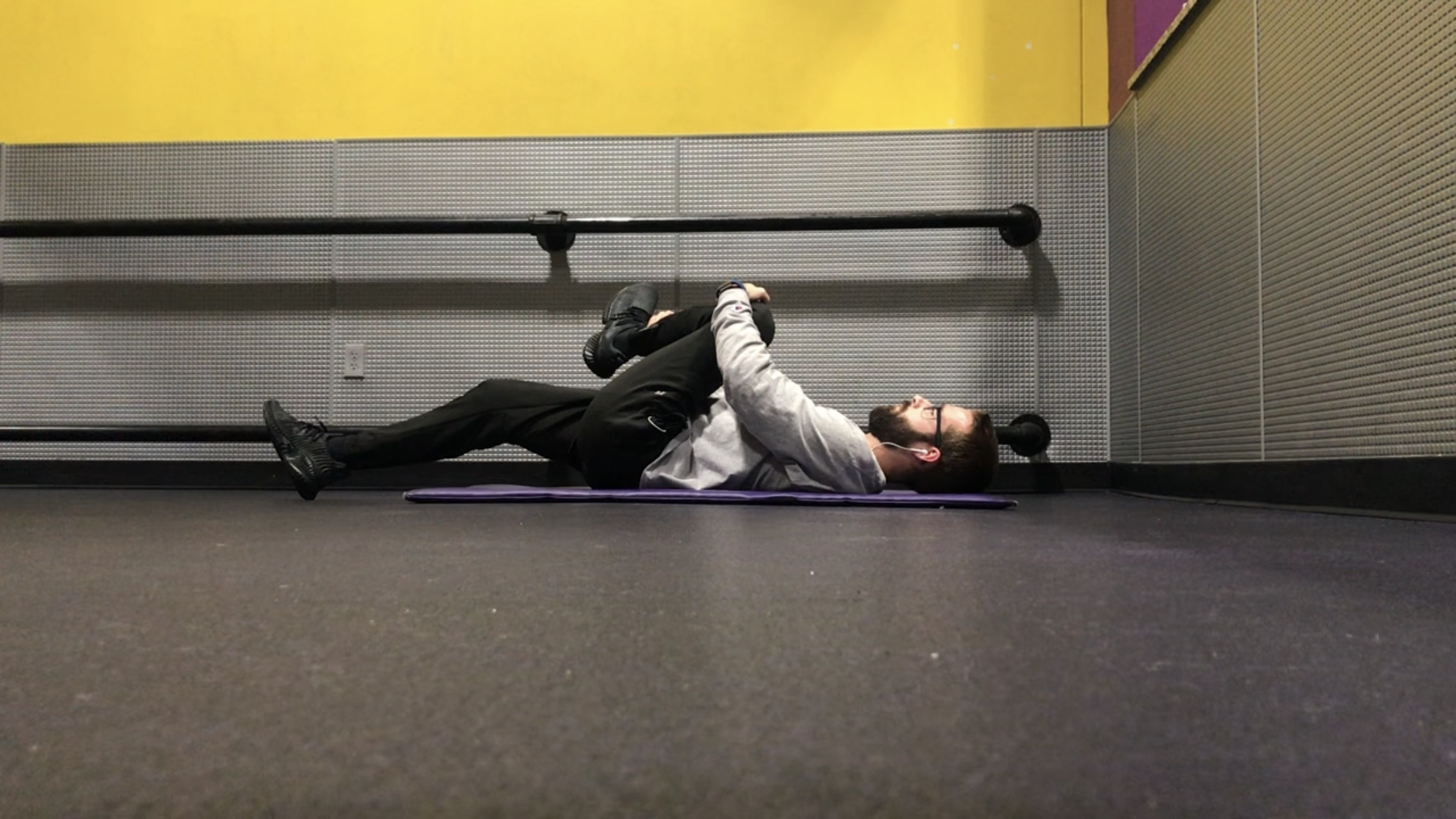
Over all of these weeks, I have found better ways to stretch and better times to stretch. The most benefit I have received is post workout, after doing bike or treadmill cardio. At this time my muscles are warm and circulating blood which makes stretching more effective at increasing sarcomere length. I have found the best ways to stretch. An example being, being able to use the wall to do a stretch so I am not straining my neck to complete a stretch. I have tried different stretches such as an oblique stretch on a large medicine ball. Instead of that, I plant my feet and hold on to a door frame which gives me a better stretch. I have realized that not every stretch works for everyone. Sometimes we need to modify things to make it work for ourselves as individuals. In total, I have learned piriformis, gluteus medius, paraspinal, trapezius, latissimus dorsi, quadratus lumborum, oblique, hamstring and iliopsoas (hip flexor) stretches. It has been a successful journey in flexibility, and I have felt an improvement in low back pain. From here on out, I will continue flexibility but I will also work on core strengthening of the deep lower back abdomen muscles. I will also work on proper lifting form and minimize risk of injury. I believe that setting this goal has helped me obtain more flexibility and put me on a routine. I stretch about 5/7 days of the week, before this class I maybe did 1 day out of the week. My final picture shows me being able to touch beneath my toes, with slight knee bend, with khakis on. This is a huge improvement from the beginning, and I cannot wait to continue with my flexibility goal.

 Health and Wellness